Full-mouth restoration: what to know before you commit
Big dental work done over a planned stay. What it involves, who it is really for, and how to pace it so the trip is bearable.
Published August 17, 2026
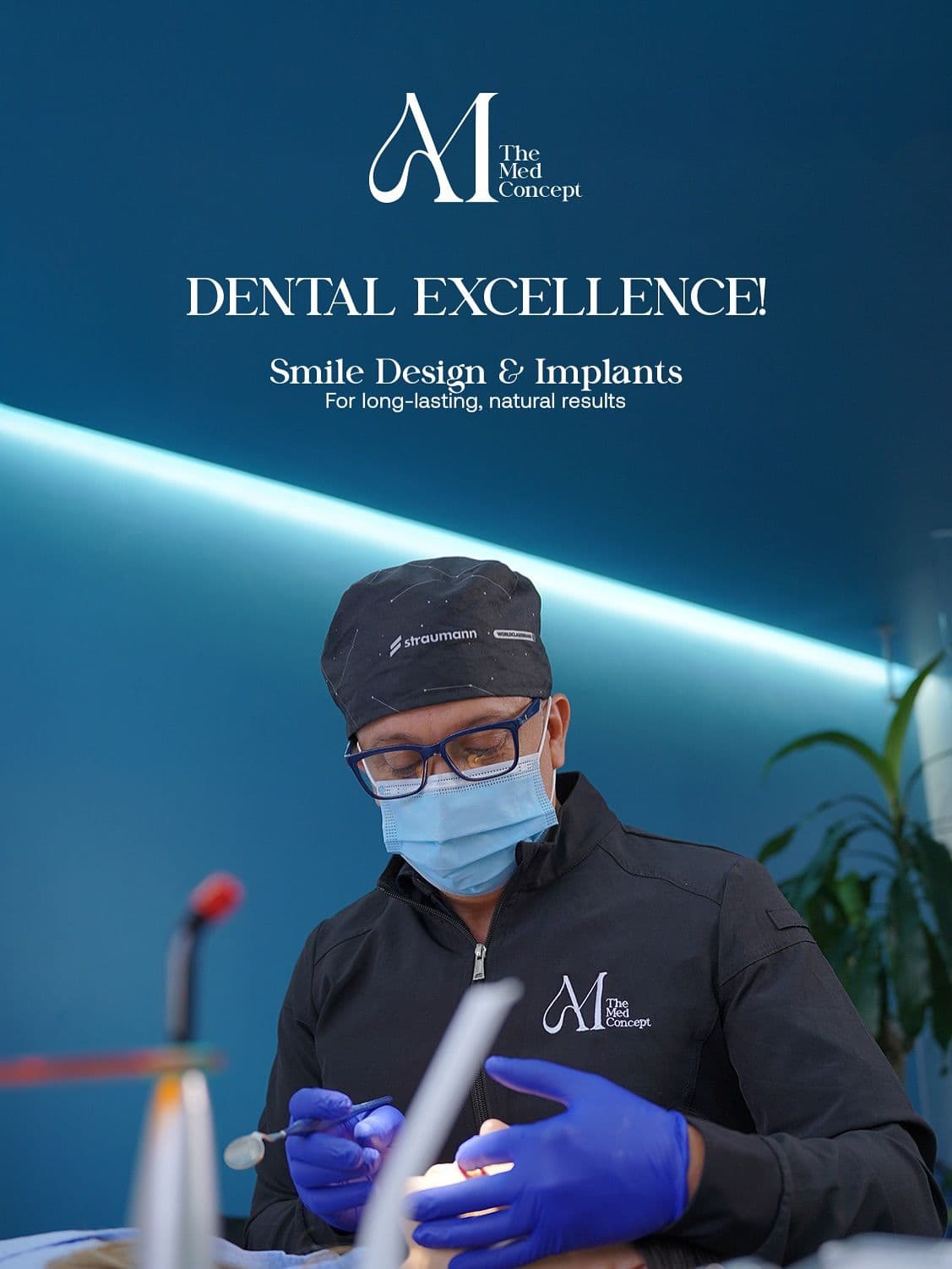
Full-mouth restoration is one of those phrases that sounds like a single treatment and is actually a campaign. It means rebuilding most or all of the teeth, usually some mix of crowns, implants, bridges, and sometimes treating the gums and the bite underneath. People reach it after years of patchwork, or after decay and wear have gone far enough that fixing one tooth at a time no longer makes sense. It is a serious undertaking, and the honest version starts by saying so.
What the work actually involves
There is no standard full-mouth restoration, because no two mouths arrive in the same condition. For some people it is mostly crowns over teeth that are still rooted and sound below the surface. For others it involves removing failing teeth, placing implants, and building new teeth on top of them. Many cases also address the bite itself, how the upper and lower teeth meet, because rebuilding the surfaces without fixing the bite just breaks the new work the same way the old work broke. The plan comes out of scans and a careful exam, not a template.
Who it is really for
This is for people with widespread problems, not a single bad tooth. Severe wear from grinding, multiple failed restorations, advanced decay across the mouth, missing teeth that have thrown the bite off, or the aftermath of long-avoided dental care. It is not for someone who wants a whiter smile and has been talked into far more than they need. A trustworthy clinic will sometimes tell you that you do not need full-mouth work, and that honesty is worth more than any quote.
Planning a longer stay
Full-mouth work is not a few-day errand. Depending on the plan, it can mean a stay of a couple of weeks for the restorative phase, and if implants are involved, a return trip months later once they have healed. Plan the calendar honestly from the start.
- Expect multiple appointments across the stay, not one long day in the chair.
- Build in rest days between heavier sessions, because your mouth and your stamina both need them.
- If implants are part of it, assume a second trip after healing rather than hoping to finish in one.
- Choose accommodation close to the clinic, with soft food easy to reach, because chewing will be limited for stretches.
Pacing the work and managing comfort
A good clinic spreads the work across days rather than cramming it, both for your comfort and for the quality of the result. There will be sore days, and there will be a stretch with temporary teeth while the permanent ones are made. None of that is a complication, it is the normal middle of the process. What matters is that someone has told you in advance how each phase will feel, so a sore evening on day four does not feel like something went wrong. Managing expectations is half of managing comfort.
Follow-up back home
Large restorations are not finished the day you fly home. The bite often needs small adjustments as you live with it, and a local dentist should be lined up before you travel to handle routine follow-up and anything urgent. We make sure you leave with your records, your scans, and clear written notes on what was done, so a dentist at home can pick up the thread without guessing. Work this size deserves a paper trail.
A full-mouth restoration done carefully can give someone back the ability to eat and smile without thinking about it, which is a bigger deal than it sounds. It is also a lot of work to rush. The point of planning a longer stay, and of having someone manage the logistics, is so the dentistry can take the time it needs while the rest of the trip stays calm.
This article is general information, not medical advice. Every procedure and recovery is different. Talk to a qualified clinician about your specific case.